Why Mouse Is The Input Device


A personal computer uses the mouse button as an input unit. They have two keys and will perform some sort of variety of duties, including pointing, clicking on, dragging, and showing objects. Most mouse have a slide wheel between the two main computer mouse buttons, which may be employed to "scroll" text or pictures down and up the screen. Pushing the wheel also can act as another mouse button. This article will go over the different features of your mouse and precisely how it works.
Its keyboard counterpart, or computer computer keyboard, is one of the most common types of input device. In the past, computers were operated by impact cards and report tape, and today most keyboards will be designed with the QWERTY layout. Typically the QWERTY layout has alphabetic and additional keys, and demanding those keys feeds data to the particular computer. The mouse button, on the various other hand, treats a computer through the "point and click" movement, where typically the mouse pointer moves in a related direction on typically the computer monitor.
The mouse, for example, transmits data for the computer's processing unit. This does not depend on data from the CPU but rather works by giving signals to the particular processor. Computers receive data in the CENTRAL PROCESSING UNIT to drive programs and output equipment. The mouse is a crucial piece of hardware for desktop setup, and without one, a person would be unable to function effectively on a pc. So, why is the particular mouse considered a good input device?
The particular computer mouse is actually a small, handheld type device used to control the cursor over a computer screen. It is given its name its shape, as the tail resembles a new mouse. Most mouse button come with two buttons to mouse click on left and right, and a scroll wheel to move web pages. The mouse's distinctive properties allow typically the computer to convert two-dimensional movement into a pointer on the computer screen. The mouse button has become indispensable for computer users, making it a necessary piece of non-touch hardware.
A joystick, however, is one more type of directing device. A joystick, like a mouse button, moves in just about all directions. In contrast, a mouse tip stops when the particular user releases the particular mouse in the key pad. On the additional hand, a joystick's pointer continues shifting in the way of the stay and must become returned for the erect position. Joysticks generally have two causes or buttons.
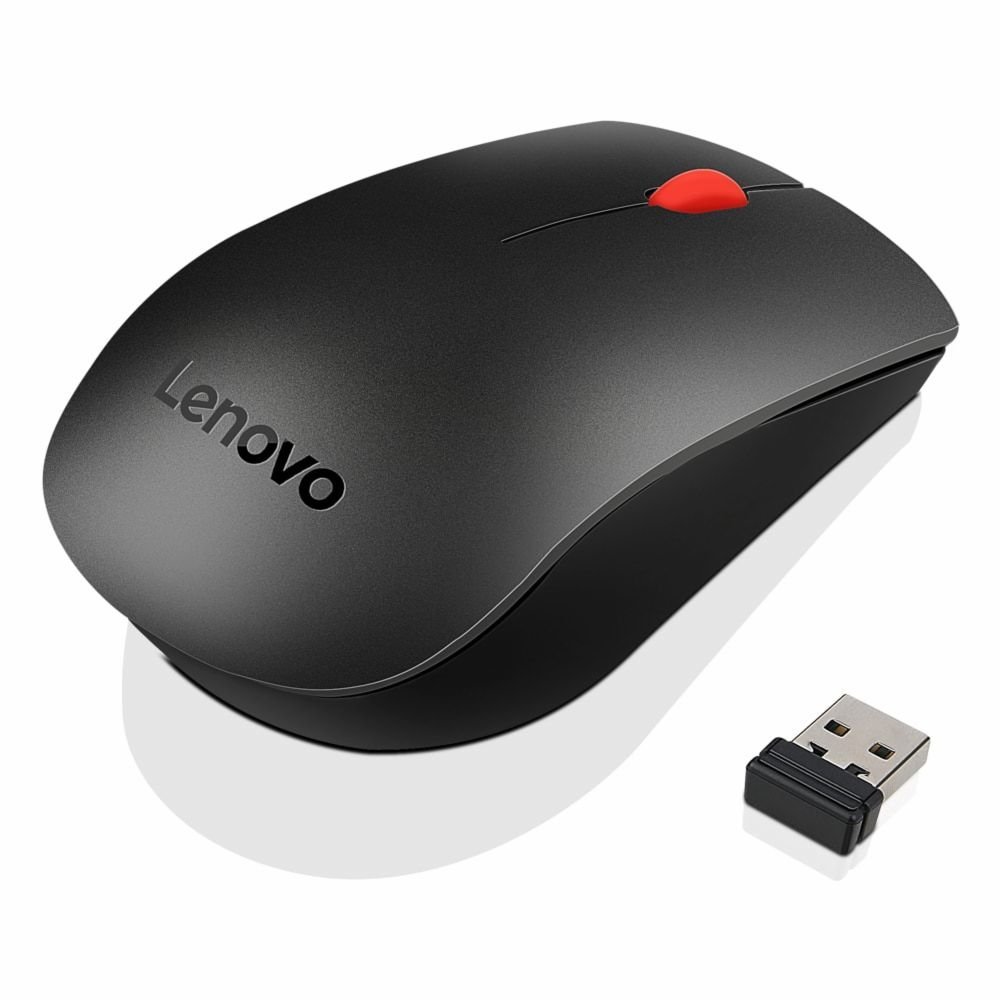
Wireless Mouse
A trackball is one other form of input unit. The tip of some sort of trackball moves over a monitor display screen. When the press button is pressed, the light reaches some sort of photocell sensing aspect on the keep track of and sends a sign to the PROCESSOR. Another type of trackball is definitely a trackball. That is similar to a mouse, yet requires less movement. Users may also spin the trackball along with their hand instead of moving the computer mouse. The trackball is most commonly used using computers, although this is also popular in arcade games and self-serve kiosks.
A mouse can communicate with a new computer through the born or wireless connection. Wireless mouse employ Bluetooth or RF communication to connect to be able to a computer. Elderly mouse use PS/2 ports to connect to their computer. Typically the USB receiver is a necessary component of a cellular mouse. If if you're interested in studying more about the different functions of a mouse, have a look at my review below. When shopping intended for a mouse, keep in mind to ask your laptop or computer vendor about the particular features.